

Like other minerals, zinc bioavailability depends primarily on the auxiliary substance—or carrier—added to the supplement. It is this carrier that largely determines how well your body absorbs zinc, rather than individual predispositions alone (though these can also play a role). From food sources, zinc absorption typically reaches a maximum of around 50%, while supplements generally offer higher bioavailability. Understanding the differences between zinc forms can help you make an informed choice for your health needs.
Understanding Zinc Bioavailability
When choosing a zinc supplement, the form matters significantly. While the differences in bioavailability between various zinc forms aren't always dramatic, certain forms consistently outperform others in terms of absorption and tolerability. Chelated forms—where zinc is bound to organic compounds like amino acids—generally offer superior absorption compared to inorganic forms. Let's explore each type to help you find the best zinc for your needs.
Chelated Zinc: The Gold Standard
Chelated zinc, particularly in the form of zinc bisglycinate (zinc bound to two glycine molecules), is widely considered one of the most bioavailable forms. The chelation process involves binding the mineral to organic molecules with an electrical charge that attracts and holds the zinc ion. This creates a more complex, concentrated molecular structure that passes through the intestinal wall more efficiently. The result is enhanced absorption and reduced likelihood of gastrointestinal discomfort—a common issue with some other zinc forms.
Zinc glycinate and zinc diglycinate are particularly gentle on the stomach, making them excellent choices for those with sensitive digestive systems or anyone taking zinc on an empty stomach.


Aliness
Aliness Chelated Zinc Diglycinate 15 mg - 100 Tablets
Regular price £6.89Unit price£0.07 each


Zinc Orotate: Maximum Cellular Penetration
Zinc orotate—zinc chelated to orotic acid—is often cited as having exceptional bioavailability. Research suggests that orotate forms are among the most neutral of all zinc compounds, which directly influences their ability to penetrate cell membranes. This enhanced cellular uptake makes zinc orotate particularly effective at delivering zinc where it's needed most. However, this form is relatively uncommon in the European market, so finding it may require some effort.
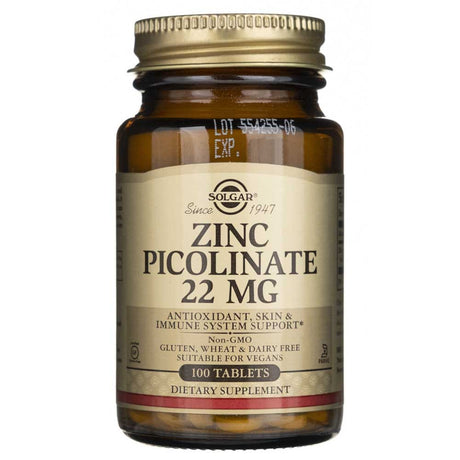
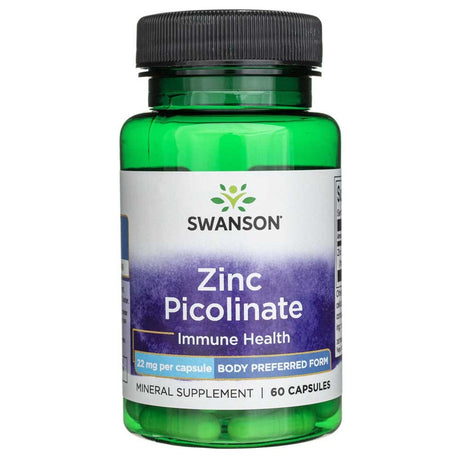
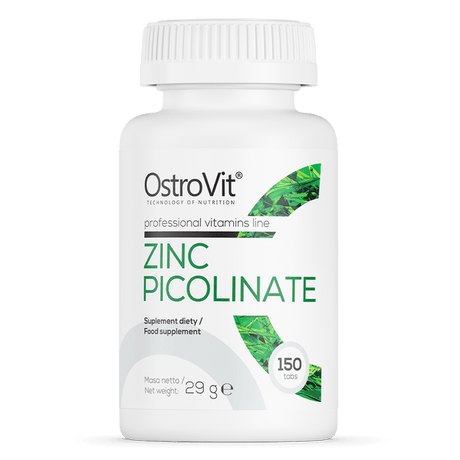
Zinc Picolinate: The Absorption Favourite
In zinc picolinate, the mineral is bound to picolinic acid—a compound naturally produced in the body and considered highly effective at facilitating mineral absorption. This form offers excellent bioavailability, though studies suggest it may not quite match zinc orotate in this regard. A significant advantage of zinc picolinate is its exceptional stomach tolerance, making it an ideal choice for individuals with digestive sensitivities or those prone to nausea from supplements.




 10% off
Ostrovit
Ostrovit Zinc Picolinate - 150 Tablets
Sale price £4.13 Regular price £4.59Unit price£0.03 each


Zinc Citrate: A Reliable Middle Ground
Zinc citrate, where zinc is bound to citric acid, offers good bioavailability and is well-tolerated by most people. While not quite as absorbable as picolinate or chelated forms, it represents a reliable, cost-effective option. This form dissolves well and is commonly found in quality supplements, making it a popular choice for daily zinc supplementation.
Zinc Gluconate: Common but Limited
Zinc gluconate is undoubtedly one of the most widely available forms of zinc in supplements and fortified foods. Produced through industrial fermentation of glucose, this form offers an exceptionally long shelf life—its primary advantage. However, the body absorbs relatively little of this chemically processed zinc form. While not without merit, particularly for lozenges designed to dissolve in the mouth, zinc gluconate is generally considered less optimal for those seeking maximum absorption.
Zinc Acetate: Specialised Applications
Zinc acetate (or zinc dihydrate/zinc diacetate) is another chemically modified form created by adding acetic acid to zinc carbonate or metallic zinc. Scientific research indicates this form may help shorten the duration of common colds and has been studied for Wilson's disease (a condition involving toxic copper accumulation). Acetates are generally considered more absorbable than gluconates, though overall bioavailability remains relatively modest. Potential side effects mean this form isn't typically recommended for routine supplementation.
Zinc Oxide: Topical Applications Only
Zinc oxide is an inorganic zinc compound most commonly found in topical preparations—ointments for minor skin conditions like burns, irritations, and nappy rash. It's also the most common active ingredient in mineral sunscreens. This form is non-chelated and intended for external use only. Oral bioavailability of zinc oxide is highly variable: some individuals show reasonable absorption, while others absorb almost none. For internal supplementation, other forms are strongly preferred.
Zinc Sulfate: Variable Results
Zinc sulfate is another non-chelated, inorganic form that dissolves readily in water. However, its bioavailability varies dramatically between individuals—from excellent absorption to virtually none. This inconsistency makes it difficult to recommend zinc sulfate with confidence. Additionally, this form is more likely to cause gastrointestinal upset compared to chelated alternatives.
Which Zinc Form Should You Choose?
Based on current evidence, here's a quick guide to selecting the right zinc form:
- Best overall absorption: Zinc orotate or zinc picolinate
- Best for sensitive stomachs: Zinc bisglycinate (chelated) or zinc picolinate
- Good all-round option: Zinc citrate
- For immune support lozenges: Zinc gluconate or zinc acetate
- For topical skin care: Zinc oxide
Zinc in Your Diet
Adults should aim for at least 5 mg of zinc daily, though optimal intake is often considered to be 15-20 mg. The richest natural source is wild oysters, providing an impressive 60-90 mg per 100g. Since seafood isn't a daily staple for most Europeans, practical zinc sources include pumpkin seeds, cacao, cashew nuts, sunflower seeds, flaxseed oil, and sesame. Animal sources include liver and egg yolks. Notably, animal protein enhances zinc absorption in the small intestine, so combining plant and animal sources can optimise your intake.
Why Zinc Matters for Your Health
Zinc is an essential component of healthy hair, skin, and nails—deficiency often manifests as poor wound healing, brittle nails, or dull hair. Combined with vitamin A, zinc may support clearer skin and help manage minor skin concerns. Beyond beauty benefits, zinc supports bone health, pancreatic function (including insulin regulation), and cardiovascular health by helping maintain healthy blood pressure.
Perhaps most importantly, zinc plays a crucial role in immune system function. Deficiency can lead to increased susceptibility to infections, persistent fatigue, and difficulty concentrating. For comprehensive mineral support, explore our full minerals collection to find the right supplements for your needs.
Key Takeaway: While food-based zinc absorption is limited, supplementation offers a reliable way to maintain optimal levels. For best results, choose chelated forms (bisglycinate, picolinate, or orotate) that offer superior bioavailability and gentler digestion. Your choice should match your individual needs—whether that's maximum absorption, stomach sensitivity, or specific health goals.
This article is for information only and does not replace medical advice. If you have health concerns, are pregnant, breastfeeding or taking medication, consult a doctor or pharmacist. Dietary supplements are not a substitute for a varied diet.


