

Prostate health is one of those topics many men prefer not to think about — until symptoms make it impossible to ignore. Yet the prostate gland affects urinary function, hormonal balance, and sexual health in ways that become increasingly relevant from middle age onwards. The encouraging news is that a number of well-researched herbal supplements may help support prostate health and urinary comfort, and understanding which ones to reach for — and why — makes the difference between effective prevention and simply hoping for the best.
What Is the Prostate and Why Does It Cause Problems?
The prostate is a small, walnut-sized gland located below the bladder in men, surrounding the urethra. Its primary function is to produce seminal fluid. The problem it creates for many men over the age of 45 is not a disease but a natural physiological process: benign prostatic hyperplasia (BPH), or non-cancerous prostate enlargement. As the gland grows, it presses on the urethra and gradually restricts urinary flow.
The underlying driver of this growth is largely hormonal. As testosterone levels shift with age, a greater proportion is converted to dihydrotestosterone (DHT) — a more potent androgen that actively stimulates prostate tissue proliferation. This is why many herbal approaches to prostate health focus on moderating DHT activity rather than targeting the gland directly. Browse our men's health collection for a full overview of relevant supplements.
Symptoms Worth Taking Seriously
BPH typically presents gradually, which means men often adapt to worsening symptoms without realising how much their quality of life has declined. Symptoms that warrant a urologist appointment include a weakened or interrupted urinary stream, a frequent and urgent need to urinate (especially at night), difficulty starting urination, a sense of incomplete bladder emptying, and burning or discomfort during urination. None of these symptoms are inevitable, and none should be ignored.
Herbs Traditionally Used to Support Prostate Health
A number of botanical ingredients have been used for centuries in traditional medicine systems to support male urinary and reproductive health, and several have been the subject of meaningful clinical research. The most established options work primarily through DHT modulation, anti-inflammatory activity, or direct support of urinary tract function.
Saw Palmetto (Serenoa repens)
Saw palmetto is the most widely studied herbal supplement for prostate health and the one with the strongest evidence base. The fatty acids present in its berries are thought to inhibit the enzyme 5-alpha reductase, which converts testosterone to DHT. By reducing DHT activity at the prostate, saw palmetto may help slow the gland's enlargement and ease associated urinary symptoms. It is also used in the context of androgenic hair loss, where DHT plays a similarly central role. Regular use — typically over several weeks — is needed before effects become apparent.
Stinging Nettle Root (Urtica dioica)
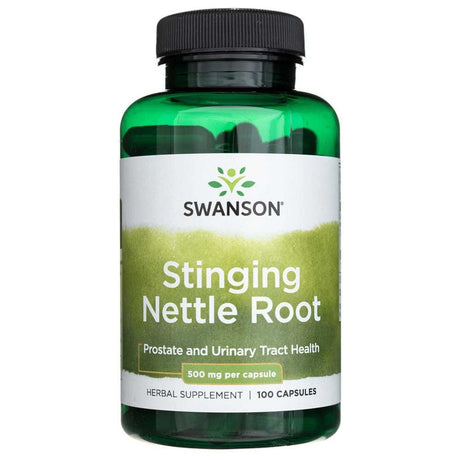
Nettle root is distinct from nettle leaf in both its composition and its applications. The root contains compounds that bind to sex hormone-binding globulin (SHBG) and may reduce the amount of free DHT available to prostate tissue. It also exerts a mild diuretic effect, supporting urinary flow and reducing the discomfort of urinary retention. Nettle root is frequently combined with saw palmetto in prostate-specific formulas, where the two ingredients appear to work synergistically.
Pygeum (Prunus africana)
Pygeum — derived from the bark of an African cherry tree — has been used in European phytomedicine for prostate support since the 1960s and has been evaluated in numerous controlled trials. Its phytosterols and triterpenes are thought to reduce prostate inflammation and improve urinary flow. It is particularly studied for its effect on nocturia (night-time urination), which is one of the most quality-of-life-affecting symptoms of BPH.
Pumpkin Seed Oil
Pumpkin seeds are rich in phytosterols — plant compounds structurally similar to cholesterol that compete with DHT at androgen receptor sites in prostate tissue. The oil form is most commonly used in supplementation, providing a concentrated source of these active compounds along with zinc, which plays a supporting role in prostate gland function. Pumpkin seed oil is one of the gentler options available and is well-suited to long-term daily use as part of a preventive approach.
Maca Root (Lepidium meyenii)
Maca is a Peruvian adaptogenic root with a broad range of applications in men's health — libido support, energy, and hormonal balance. Its relevance to prostate health lies primarily in its potential to moderate androgen activity, which research suggests may help limit prostate tissue overgrowth when used consistently over time. It is most often recommended as part of a preventive approach rather than as an acute intervention.
Tribulus (Tribulus terrestris)
Tribulus is widely used as a testosterone support herb, and its prostate relevance comes from the same mechanism as saw palmetto: by supporting healthy androgen balance and limiting excess DHT conversion, it may reduce the hormonal pressure that drives prostate enlargement. It is particularly popular among active men who want to support both physical performance and long-term prostate health simultaneously.
Fenugreek (Trigonella foenum-graecum)
Fenugreek contains steroidal saponins that interact with androgen metabolism and are associated with improvements in testosterone levels. Its role in prostate health is indirect — through the modulation of the hormonal environment that drives glandular overgrowth — and it is most relevant in a preventive context. It also supports urinary tract comfort more broadly.


Now Foods
Now Foods Saw Palmetto Berries 550 mg - 100 Veg Capsules
Regular price £10.19Unit price£0.10 each




Combination Formulas vs. Single Ingredients
There is a strong case for using combination prostate formulas rather than individual herbs taken separately. Purpose-formulated products bring together ingredients with complementary mechanisms — for example, saw palmetto to inhibit DHT production, nettle root to bind SHBG, and pygeum to reduce local inflammation — at doses calibrated to work together. This approach also simplifies supplementation considerably, replacing several capsules with one.
That said, single-ingredient products give you more flexibility to target specific concerns or to build a personalised protocol under the guidance of a healthcare practitioner. Men who are primarily focused on hormonal balance and testosterone support may find that a tribulus and maca combination serves them better than a classic prostate blend, while those with established urinary symptoms are likely better served by saw palmetto and pygeum-centred formulations. Explore our full urinary system support range for both approaches.
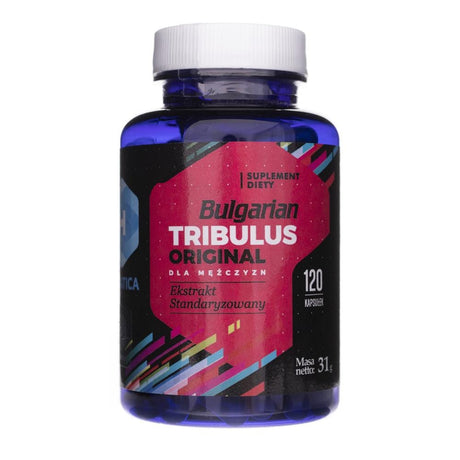


Hepatica
Hepatica Bulgarian Tribulus Original - 120 Veg Capsules
Regular price £14.49Unit price£0.12 each
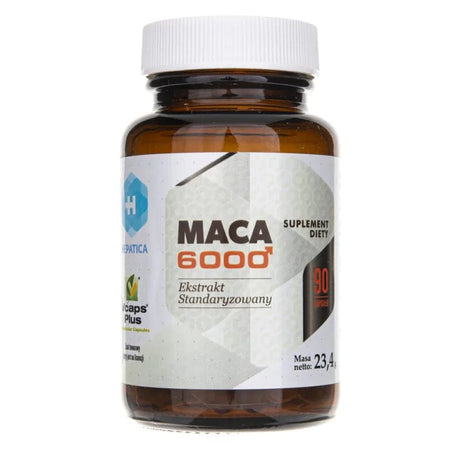


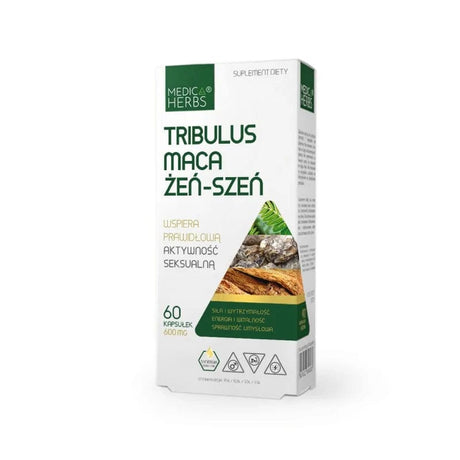

Medica Herbs
Medica Herbs Tribulus Maca Ginseng - 60 Capsules
Regular price £6.79Unit price£0.11 each


How to Use Herbal Prostate Supplements Effectively
Consistency is the most important factor in any herbal supplement protocol. Unlike pharmaceutical drugs, botanical preparations generally work gradually — most men notice meaningful changes only after four to eight weeks of regular use. Taking a supplement for two weeks and concluding it does not work is one of the most common reasons herbal approaches are prematurely abandoned.
Always follow the manufacturer's recommended dosage, and take supplements at the same time each day to build a reliable habit. If you are taking any medications — particularly for blood pressure, hormonal conditions, or blood thinning — check with your doctor or pharmacist before starting, as some herbal compounds have documented interactions. Saw palmetto, in particular, may affect the absorption of certain medications. For preventive use, herbs such as pumpkin seed oil and fenugreek are suitable for long-term daily use without cycling. For more potent androgenic herbs like tribulus, some practitioners recommend periodic breaks, though recommendations vary. Browse our full herbal supplement range for further options.
This article is for information only and does not replace medical advice. If you have health concerns, are pregnant, breastfeeding or taking medication, consult a doctor or pharmacist. Dietary supplements are not a substitute for a varied diet.


